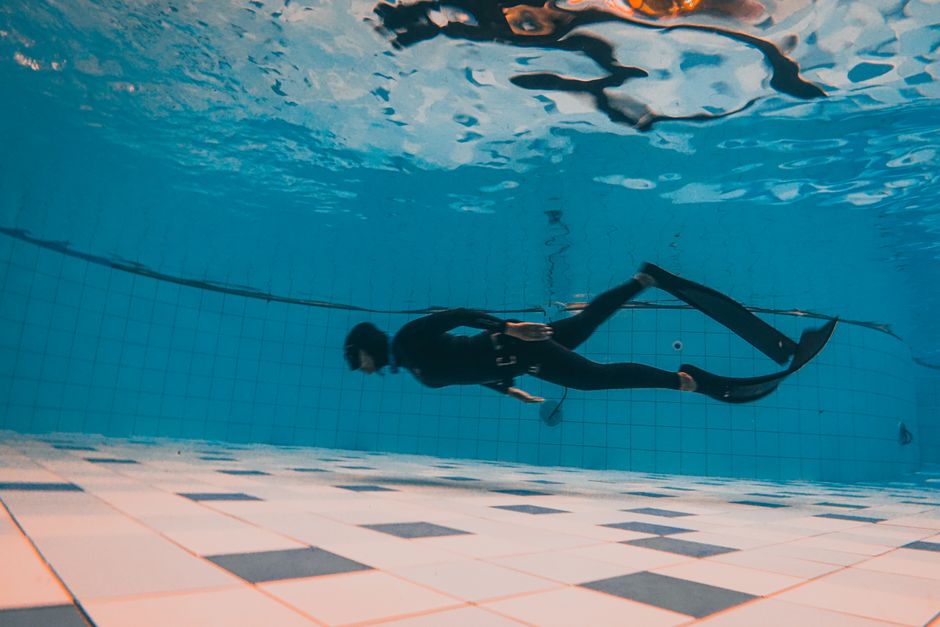
Good equipment feels like an extension of your body in the water. This freediving mask snorkel fins guide walks through why your eyes, breath and legs respond differently underwater, how to choose gear that makes those responses work for you, and practical fitting and handling tips so your focus stays on relaxation and technique rather than on fiddling with equipment. I’ll cover the why behind the choices as well as the how—so you can make confident decisions when buying, caring for and using a mask, snorkel and fins.
Why vision changes underwater and why it matters
Water changes the way light reaches your eyes. Because light refracts differently in water than in air, objects viewed through an air space such as a mask appear larger and closer—roughly one third larger and noticeably nearer than they really are. That shift in perceived size and distance matters for two practical reasons:
- Judging distance and timing: When you aim for a marker, reef feature or line, the apparent closeness can tempt you to start equalizing or initiating a turn too early or too late. Expect targets to look nearer and adjust your approach distance and equalization timing accordingly.
- Visual cues for relaxation and orientation: Your brain relies on familiar visual scale to judge motion and balance. If everything looks oversized or closer, it can subtly affect your sense of motion and how relaxed you feel on the surface and during descent.
A mask creates an air space in front of the eye so refraction resembles what your eyes expect in air. The size and shape of that airspace—its internal volume and how close the lenses sit to your eyes—affect clarity, peripheral awareness and how easy it is to equalize and clear water from the mask. Low-volume masks bring the lenses closer to the eye for a wider apparent field and less effort when equalizing.
Lighting and water quality also shape what you see. Light is rapidly absorbed with depth and particular wavelengths disappear first—reds and warm tones are lost before blues—so colour contrast and recognition change as you descend. Turbidity and suspended particles scatter light and create backscatter, reducing range and softening features. When visibility is limited, slow, deliberate movement and careful approach let you read your environment without startling marine life or losing situational awareness.
Three criteria for choosing a freediving mask
Pick a mask with the freediver’s needs in mind: easy equalization, minimal dead space, comfort and durable optics. Here are three core selection criteria and why they matter.
1. Low internal volume and low-profile lenses
A low-volume mask reduces the airspace between your eyes and the lenses. That makes equalizing the mask easier and reduces the force needed to squeeze air into the mask on descent. Low internal volume also improves apparent field of view because the lenses sit closer to your face. If water gets in, a smaller internal volume is quicker and easier to clear by exhaling through the nose.
2. 100% silicone skirt and a well-shaped nose pocket
A completely silicone skirt stays flexible and seals reliably across many face shapes. It resists hardening or warping from sun and heat better than mixed materials. The nose pocket must allow you to gently pinch your nose for equalizing without compressing your cheeks or forcing awkward hand positions. A good, roomy nose pocket makes mask equalization comfortable and natural.
3. Tempered glass lenses and a sturdy frame
Tempered glass resists scratching and, importantly, is a safer break option than ordinary glass. Clear optics preserve a stable view session after session. A solid frame maintains lens alignment; inconsistent flexing can change the seal and the view. You don’t need heavy frame bulk, but you do want consistent lens placement and a frame that won’t crack under regular use.
How to fit and look after your mask
Fit and care are as important as selection. A well-fitting mask lasts longer and makes every dive easier.
Fitting the mask
- Fold the strap out of the way and place the skirt gently on your face. Remove the strap for an initial suction test.
- Do a suction test: inhale very gently through the nose so the mask holds by slight suction. If it stays in place without tightening the strap, the skirt is sealing properly.
- Check for hair interference: move hair away from the seal line and be sure long bangs or stray hairs aren’t trapped under the skirt. Even a thin strand can cause a leak.
- Look for even contact: the skirt should sit evenly around your face with no pressure points that pinch the temples or bridge of the nose.
If you have facial hair, it can be the most common cause of mask leaks. You can trim the seal line to a narrow band beneath the nostrils or select a skirt profile known to tolerate some stubble. Avoid overtightening the strap—tight straps compress the skirt and can create pressure points and discomfort behind the ears.
Cleaning, anti‑fog and maintenance
Defog gently: saliva or a tiny dab of mild, non-abrasive mask defog will usually do. For new masks, a light cleaning with a non-abrasive paste (applied sparingly and rinsed thoroughly) helps remove manufacturing residues that cause fog. Avoid aggressive chemicals and abrasive scrubbing that will dull tempered glass or weaken silicone.
After each session rinse the mask in fresh water, let it dry inside out away from direct sunlight, and store it in a padded pocket or case to protect the lenses. Prolonged exposure to UV and heat accelerates silicone and frame degradation, so keep masks shaded and cool when not in use.
If the skirt develops small tears or the strap cracks, replace the damaged item rather than trying to patch it for safety and reliability.
Snorkel choices that support comfortable surface breathing
The snorkel for freediving is a simple tool with a specific job: comfortable, low-resistance breathing on the surface and easy removal before a dive. Choose a snorkel that helps rather than hinders your breathe-up and entry.
Primary considerations:
- Bore size and breathing resistance: Look for a snorkel with low resistance and a bore in the range of about 18–22 mm. A bore that’s too wide or too long increases dead space—the volume of exhaled air that must be cleared before fresh air arrives—so breathing feels heavier. Too narrow a bore raises resistance and forces harder exhalation.
- Mouthpiece comfort and positioning: The mouthpiece should sit naturally in your mouth without causing jaw tension. The tube should lie close to the side of your head for better streamlining and faster removal and replacement.
- Avoid bulky valves and top-mounted baffles: Many purge valves, splash guards or dry-top mechanisms add weight and drag, and in freediving they can trap water or make removal slower. Simpler J-shaped tubes that are rigid enough to sit comfortably under a strap are usually preferred. Bright colours are practical for surface visibility.
Practice removing the snorkel smoothly before your descent and replacing it calmly during recovery breaths; this reduces wasted effort and lowers the chance of inhaling water during a hurried replacement.
Freediving fins: blade material, length and stiffness
Fins are the engine of your movement. The right combination of pocket fit, blade length, material and stiffness makes your kicks efficient and reduces fatigue.
Full‑foot pockets and blade length
For freediving, full-foot pockets are standard. They keep the whole package lighter and reduce drag compared with open-heel boots. A snug, well-fitting pocket transfers power efficiently—too loose and energy is wasted, too tight and your feet will cramp or develop hot spots.
Long blades move more water per kick and reduce the frequency of leg movement needed to cover a given distance, which helps conserve oxygen. That said, blade length must be compatible with your strength and the environment; extremely long blades are powerful but demand good technique.
Blade materials and stiffness
Blade materials fall on a spectrum:
- Basic plastics are economical and forgiving, but they tend to flex inefficiently and fatigue the legs faster.
- Fiberglass blades offer a balance of cost, responsiveness and durability—good for divers progressing from entry level.
- Carbon blades are light and highly responsive, returning power quickly to the water; they suit divers with developed technique and stronger legs.
Stiffness should match your leg strength and the type of diving you do. Too stiff and you’ll waste energy forcing the blade; too soft and you won’t move enough water per kick. Many freedivers start with medium-to-soft stiffness and progress as their technique and conditioning improve.
Finally, look for a blade offset angle that keeps the blade roughly parallel to the shin. This reduces ankle strain and helps produce long, efficient ankle-driven kicks rather than short, hip or knee-driven thrusts.
Technique: how gear and movement work together
Your equipment and movement should complement each other to reduce drag and oxygen use.
- Streamline: Align head, shoulders, torso and legs into a single line to reduce drag. Keep the mask skirt snug and clear of fluttering hair; allow the snorkel to lie flat against the side of your head so it doesn’t act like a small sail.
- Kicking style: Use long, slow, ankle-driven kicks. Freediving is not sprinting—long strokes move more water per cycle and use slower-twitch muscle fibres that conserve oxygen. Keep knees soft and allow the blades to do the work, not your knees or hips.
- Breathing and transitions: Practice smooth snorkel removal on the surface: tilt your head slightly, place your chin down, pinch and clear the snorkel quickly, and begin your final breath sequence. On return, replace the snorkel calmly during recovery breaths—don’t fumble. Practice these movements on shore and in shallow water until they become automatic.
Putting fit and comfort into your breathe-up and safety routine
Good fit reduces sensory distractions during the breathe-up. A leaking mask or an uncomfortable mouthpiece pulls attention away from relaxation and increases heart rate and oxygen use.
A comfortable mask lets you close your eyes during the breathe-up without worrying about leaks or straps. A well-fitting snorkel supports quiet, belly-based breathing on the surface which helps slow the heart rate. Fins that match your strength and technique let you focus on streamlining and communication with your buddy rather than struggling to maintain propulsion.
Safety note: any signs of ear, sinus pain or visual disturbance after a dive should be taken seriously. For general dive-safety guidance consult Divers Alert Network (DAN). If symptoms persist or you suspect barotrauma, lung-related issues, or any unusual neurological signs, see a doctor experienced in dive medicine for assessment.
If you train locally on Qeshm Island, consider scheduling a hands-on gear-fit session so your setup supports safe practice and clear sighting. Gear-fitting and familiarisation sessions are available through manifreediver.ir and will save you time and anxiety when you get in the water.
Choosing and packing the right equipment bag
A thoughtful bag protects gear and simplifies transitions.
- Size and shape: Choose a bag long enough for your fins to lie flat; this avoids warping blades over time. Bags with separate fin compartments can protect blades from getting scratched or bent.
- Material and ventilation: Mesh or quick-dry fabrics let wet gear air out and reduce mildew. Waterproof liners are useful when you need to rinse gear without soaking other items.
- Compartmentalise: Have a padded pocket for the mask, a small zip or pouch for mouthpieces and spares, and straps or a divider to secure long blades so they don’t shift during transport.
- Identification and repair kit: Bright tags or ID make your bag easy to spot. Pack small repair items: spare fin straps, a spare mouthpiece, a tube of silicone lube for quick strap repairs, and a small towel. A few zip-lock bags are handy for storing wet items or protecting fragile spares.
When you choose your kit, think of it as building a simple, reliable system: clear vision, effortless surface breathing, and efficient propulsion. That combination reduces distractions, helps you relax before every dive and keeps more oxygen in reserve for the underwater part of the experience. If you’d like personalised fitting help or recommendations for gear suited to Qeshm’s conditions, arrange a fitting through manifreediver.ir—hands-on guidance makes it easier to find what truly fits you.