Why choose freediving as a career?
Freediving as a profession suits people who want their work to reflect a love of the ocean, movement and teaching. Common motivations include teaching students the basics of breath-hold diving, guiding freediving excursions, coaching athletes toward personal bests, combining diving with conservation projects, and the travel-friendly lifestyle that comes from working at resorts, liveaboards or expedition operators. For many, the greatest reward is seeing a student’s confidence grow or helping a team complete a reef survey or clean-up.
That said, a freediving career has practical realities you need to accept before committing. Work is often seasonal and geographically patchy: busy months in tourist destinations alternate with slow periods. Income is frequently variable — many professionals work freelance, are paid per course or per trip, and combine several small revenue streams to make a living. The role is physically demanding: long days on boats, repetitive surface intervals, hauling gear and staying fit to demonstrate skills and perform rescues when necessary.
There are clear trade-offs. A freediving career offers high job satisfaction, flexibility around location and schedule, and a community-rich working environment. The downside is less predictable pay, a slower formal corporate ladder, and the need to create your own steady pipeline of work. If you like autonomy, teaching, travel and being outdoors, those trade-offs are manageable — but planning and diversified income streams are essential.
Core skills you must master
To be employable and safe as a freediving professional, you need three broad skill sets: technical diving skills, safety and rescue abilities, and teaching/communication skills. Each area is equally important — technical ability without teaching skill won’t pay the bills, and teaching without reliable safety skills is irresponsible.
Technical diving skills
- Breathe-up and recovery: consistent, calm breathe-ups and effective recovery breathing after a breath-hold are foundations of safety and performance. Practice a breathe-up that lowers heart rate without hyperventilating, and a recovery sequence that restores oxygen while clearing CO2. Students will copy your demeanour, so model composure.
- Equalization: clear, efficient equalization maintains comfort and prevents ear or sinus injury. Know multiple equalization techniques and how to coach students to find what works for them while progressing slowly.
- Finning and body mechanics: efficient kicks reduce wasted energy and improve descent/ascent control. Learn technique for bi-fins and monofins, and how to sequence arm position, streamline and braking on the surface.
- Safe depth progression: plan gradual increases in depth and intensity, respecting physiological limits and environmental factors. A conservative approach prevents injury and builds trust with students.
Safety and rescue skills
Safety is the non-negotiable core of professional work. You must be fluent in buddy rescue, surface management, using a dive line and lanyard, and managing a panicked diver. Familiarity with emergency oxygen systems and the ability to administer basic first aid will often be required on the job. For general guidance on dive-safety principles, consult Divers Alert Network (DAN); they provide resources on first aid, oxygen administration and risk management.
Practice rescues under varied conditions — waves, low visibility, and with tired students — until the procedures become automatic. Maintain fitness so you can perform a rescue when fatigued. Periodically refresh your first-aid and oxygen skills because in an emergency clear, practiced responses save lives.
Teaching skills
Technical mastery doesn’t automatically translate into being a good instructor. You also need to:
- Communicate clearly: explain complex physiological concepts in simple, reassuring language and give precise, actionable corrections in the water.
- Plan lessons: structure sessions with progressive skill sequences, reasonable targets, warm-ups and recovery periods. Always have a safety-focused contingency plan.
- Coach patiently: freediving progress is highly individual. Read body language, adapt your pace to student anxiety levels and celebrate small wins.
How to gain and document real experience
Experience is the currency of a freediving career. Employers and students hire people who can demonstrate consistent, practical time in the water, and who can reflect on their learning. A few focused habits accelerate credibility.
Log every session
Keep a disciplined logbook — paper or digital — and record:
- Date, site and local conditions (visibility, currents, temperature)
- Equipment used and any adjustments
- Warm-up routine and number of warm-ups
- Max dives (depth/time), number of dives and surface intervals
- Incidents or near-misses, and lessons learned
- Student names and short notes if you were coaching
Consistent logging shows progression and maturity. When applying for jobs, a concise extract of your most relevant entries can be persuasive.
Practice diversity
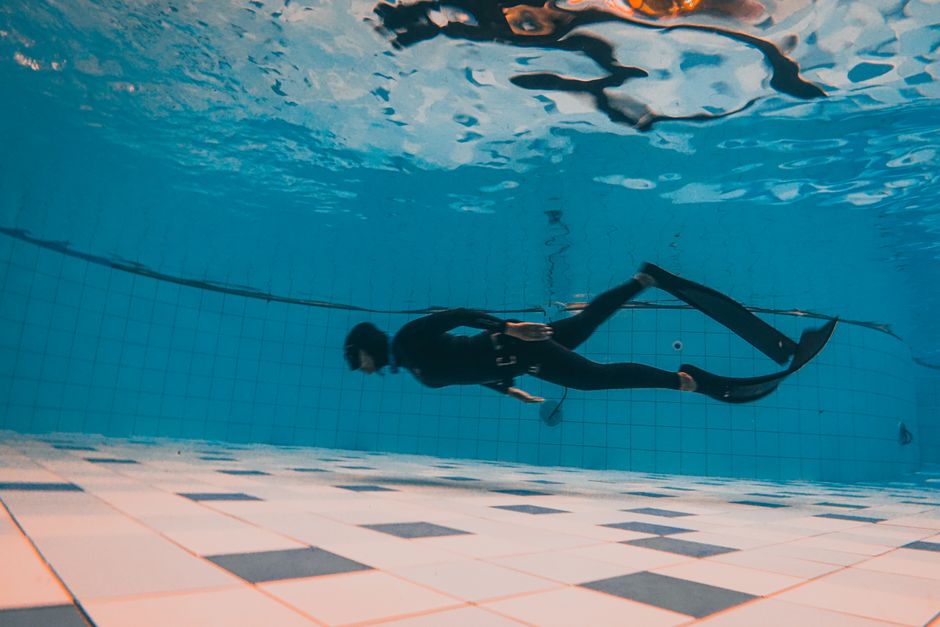
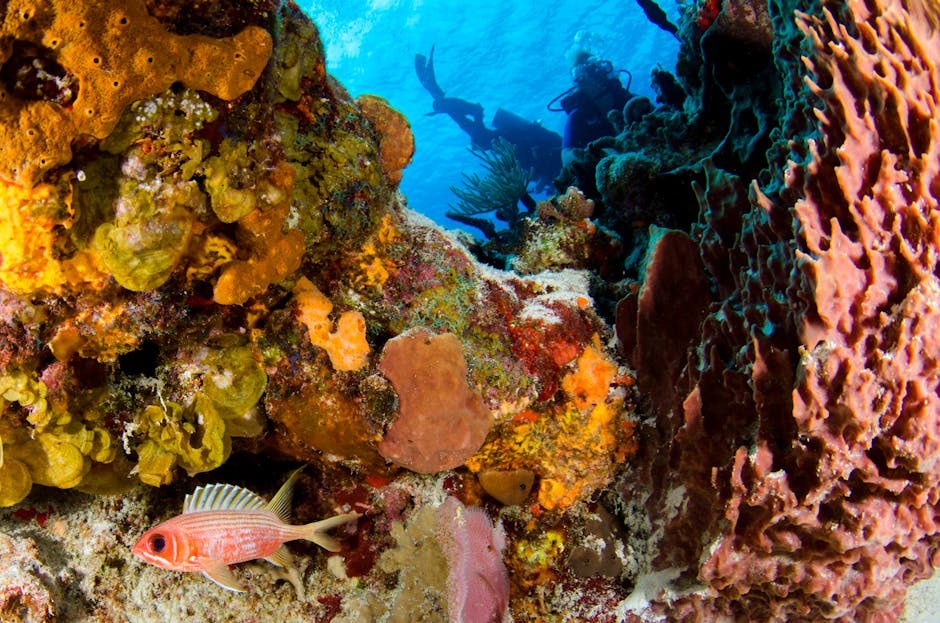
Train in pools, quarries, tropical reefs and cold-water sites. Each environment teaches different problem-solving skills: pools for controlled skill repetition; quarries for low-visibility and depth access; reefs for buoy and people management; cold water for thermal management and longer surface recovery. Employers value people who can adapt rather than those who have only one type of experience.
Mentorship and assisting
Assist experienced instructors whenever possible. Assisting is where classroom flow, group management, equipment logistics, and the subtle timing of intervention are learned. Early in your career, this is more valuable than solo goals. Ask to help with admin tasks, student briefings, and surface supervision — these are the everyday responsibilities employers notice.
Equipment ownership and budgeting
Owning the right personal equipment improves safety, comfort and professionalism. However, buying everything at once is rarely wise for someone just starting.
Essential kit to own
- Mask and snorkel: a well-fitted mask that seals reliably; a comfortable snorkel you can breathe through during long breathe-ups.
- Freediving fins: invest in fins that fit you well and match the discipline you plan to teach (bi-fins or mono).
- Exposure protection: wetsuit or skins appropriate to local water temperatures; a hood and gloves where necessary.
- Reliable dive watch/computer: wrist instruments that record depth and time, and have alarms and a clear log function.
- Personal safety items: whistle, small cutting tool, and a quick-release lanyard if you dive on a line.
Cost versus rental
Buy core personal gear first (mask, snorkel, fins, exposure protection). These items affect comfort and safety most directly. Rent bulky or expensive items — boats, buoys, heavy weights, large training parachutes — until your income is steady enough to justify ownership. Renting also lets you test different models before you commit.
Maintenance and spares
Routine care extends life and reduces mishaps. Rinse equipment with fresh water, dry thoroughly out of direct sun, and log service dates for any mechanical items. Keep a small spares kit: spare mask strap, snorkel mouthpiece, fin straps, batteries for your watch/computer, a basic tool kit and a waterproof marker. Regular maintenance and a spare parts kit reduce downtime and professional liability when something inevitably fails at the wrong moment.
Training pathway and prerequisites
There’s no single path to a freediving career, but there are common prerequisites and sensible progression steps.
Typical prerequisites include strong swimming comfort, a record of regular logged sessions (dozens of in-water sessions), and a medical check that clears you for breath-hold diving. A recent medical evaluation by a doctor familiar with diving is often required by employers; if you experience ear, sinus, cardiac or neurological symptoms after diving, see a doctor experienced in dive medicine.
Progression: consolidate entry-level skills before you begin teaching. Spend time supervising sessions and running warm-ups and surface management under experienced supervision. Once you’re consistently comfortable with rescues, surface protocol, equalization and equipment, start with small groups and pool-based workshops before moving to open-water courses.
Additional credentials: specialized training in rescue techniques, oxygen administration, and teaching methodology greatly increase employability and safety. These are the courses employers ask about when they hire.
Job types and income models
Freediving professionals work in a variety of roles. Direct work options include instructor/coach positions, guiding freediving trips, leading specialized workshops, and hosting pool clinics. Many of these are seasonal and freelance, especially in tourist locations.
Ancillary income streams are essential for stability: equipment sales or repair services, underwater photography, content creation (blogs, videos), and working on dive boats or at resorts in a broader hospitality or operations role are common complements. Some people pair freediving with marine research or tourism jobs to create year-round income.
Income is influenced by many factors: the local market and demand, your experience and reputation, language skills, ability to market yourself, and how well you diversify earnings. Building a repeat client base and local partnerships is more reliable than relying on one-off tourists.
Practical steps to find your first paid role
Finding that first paid teaching or guiding job takes preparation and hustle. Treat this like any professional job search.
Build a portfolio
- Create a short CV focused on relevant water experience and transferable skills (teaching, first aid, languages, boat handling).
- Include logbook highlights that demonstrate consistent in-water time and specific responsibilities you’ve handled.
- Add photos or short video clips that show you teaching, organizing groups or operating in different conditions.
- Collect student testimonials from anyone you’ve coached or assisted — even informal feedback is useful.
- Make sure your contact details are clear and professional.
Network locally and online
Attend local meetups, assist established professionals, and reach out to dive centres, resorts and boat operators with a concise pitch and availability dates. Use social platforms thoughtfully: post helpful content, showcase teaching clips, and join relevant community groups. Volunteering for conservation events or free introductory sessions can lead directly to paid work.
Local training and partnerships matter. Complete courses with reputable local instructors and connect with platforms that place professionals — local providers such as manifreediver.ir can help you find opportunities and introduce you to the community.
Long-term development and diversification
A sustainable freediving career rarely relies on a single income source or a single market. Over time, specialize and diversify to increase your value:
- Specialize in areas such as freediving photography, spearfishing safety, monofin technique, or boat-based guiding — specialists can command higher fees.
- Keep learning: refresh rescue and first-aid skills regularly, cross-train in swimming, strength work and mobility to remain fit and resilient, and take periodic workshops on coaching psychology and pedagogy.
- Engage with the community and conservation: lead reef-clean dives, citizen science projects or educational programs. This builds reputation, creates loyal clients, and provides meaningful work during quieter seasons.
Over years, many professionals move into related fields — equipment development, expedition logistics, environmental education or full-time content creation — while keeping freediving at the core of their identity. Thoughtful planning, a clean safety record, and a genuine, student-first approach will make your freediving career both resilient and rewarding.
For safety questions and additional first-aid resources, consult recognized authorities such as Divers Alert Network (DAN). If you have any persistent symptoms after a dive — ear pain, prolonged neurological symptoms, chest pain or unusual breathlessness — see a doctor experienced in dive medicine.