Fundamental differences that matter for safety
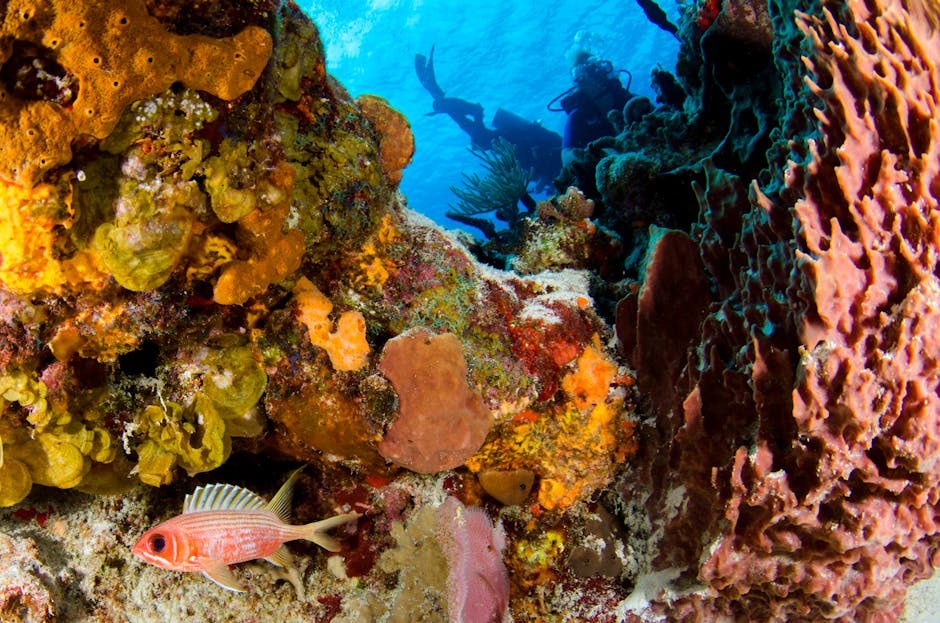
When you start thinking about mixing freediving and scuba, the most important step is to treat them as two distinct activities with overlapping, but different, risks. Freediving is breath-hold diving: you take a single breath at the surface and descend with only the air in your lungs. Scuba supplies breathing gas at ambient pressure through a regulator. That simple difference changes how pressure, inert gas and buoyancy affect your body.
Key contrasts that change safety decisions:
- How gas behaves: In scuba you inhale compressed gas at depth; your tissues absorb more inert gas (nitrogen) the deeper and longer you are. In freediving you do not have a continuous gas supply, so inert-gas loading during a breath-hold is minimal compared with scuba. That difference is why decompression issues are primarily a concern after scuba, while hypoxia and shallow-water blackout are primary concerns for freediving.
- Primary physiological risks: Scuba dives carry residual inert gas in tissues that can create decompression sickness (DCS) risk if you ascend improperly or if you subsequently change activity. Freediving's immediate risks are hypoxia at the end of a breath-hold and barotrauma from unequalized pressure in ears, sinuses or mask. When you mix the two, you must manage both sets of risks together.
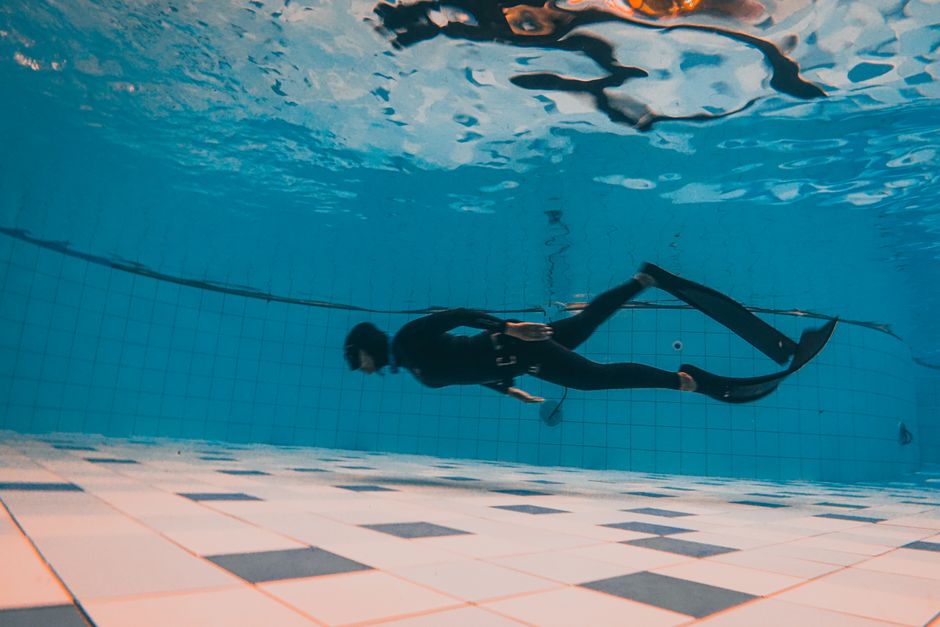
- Equipment and movement profiles: Freediving kit tends to be minimalist and streamlined: long blades, low-volume mask, lightweight weighting, and thin or two-piece suits. Scuba kit adds mass and bulk—cylinders, regulators, BCs, heavier harnesses—which affects how you float and how easy it is to perform rescues. Buoyancy and rescue options change immediately when you swap kit: a diver weighted for scuba may be much harder to surface quickly when the cylinder is removed, and freediving fins change propulsion mechanics. Plan for both profiles when you mix activities so you’re not surprised when you need to assist someone.
Why compressed-gas residues change freedive risk
Tissues absorb inert gas—primarily nitrogen—when you breathe compressed gas under pressure. The deeper and longer the scuba exposure, the more nitrogen your tissues take up. That residual nitrogen doesn’t vanish the moment you surface; it takes time to off-gas. If you then do deep or repeated freedives, those breath-hold descents add pressure cycles that can cause inert gas to form bubbles or move more rapidly within tissues, increasing the chance of decompression symptoms.
Even short or shallow scuba exposures introduce some residual inert gas. The amount may be small, but it accumulates with additional dives or with longer bottom times. Because residual gas is the main concern when combining activities, sequencing is the primary risk-reduction tool: how long you wait, how deep you freedive afterward, and how conservative your limits are.
Practical implications:
- Think of residual nitrogen as a background load that increases the consequences of pressure changes. A freedive that would be routine for a fully off-gassed diver may carry more risk if you’ve recently done scuba.
- Because standard freediving limits and decompression models aren’t designed to account for mixed exposures, err on the conservative side—use longer surface intervals and cap freedive depths after scuba.
- When in doubt, treat recent compressed-gas exposure as a reason to reduce depth and intensity of breath-hold activity.
For guidance on dive-safety principles related to inert-gas exposure, look to recognized safety organizations such as Divers Alert Network (DAN). They provide general information on decompression risk and emergency response. If you think you or a buddy has signs of decompression illness, seek emergency medical care and contact a dive-medicine professional.
Practical rules of thumb for sequencing and wait times
There is no single schedule that fits every situation because risk depends on the profile of the scuba dives (depth, bottom time, number of dives), the planned freedives (depth, repetition, rest intervals), your fitness, and environmental factors. That said, these conservative rules of thumb will reduce risk when mixing freediving and scuba:
- Avoid freediving after scuba on the same day whenever possible. If your plan allows it, do your freediving sessions first and leave scuba for later. This eliminates the carry-over of residual gas into your breath-hold dives.
- If you must mix on the same day, treat it as higher risk:
- Increase surface intervals—allow significantly more than the usual rest you’d take between freedives.
- Reduce freedive depth and intensity—limit how deep you go and avoid maximal attempts.
- Use stricter supervision—assign explicit roles for monitoring and recovery.
- When planning multi-discipline days, spread activities by many hours. If possible, separate scuba and freediving by a long gap and use logbook and dive-computer data to judge how much gas you might have taken on. Use conservative margins—err on the long side for separation.
- Document everything: keep clear logs of scuba profiles and freedive attempts, and have a written plan for the day that everyone understands. Dive-computer and logbook records make sequencing decisions more informed.
These are conservative strategies; the safest option is to limit combined exposure or seek advice from an experienced dive leader or dive-medicine professional when you plan complex days that mix both disciplines.
Equalization and pressure management for mixed sessions
Equalization is essential in both activities, but freedivers typically use more frequent and efficient techniques because descents are faster and there’s no continuous breathing available to assist. Before combining activities, make sure your equalization is reliable.
Technique reminders and practical tips:
- Practice the Frenzel maneuver: For freediving the Frenzel is the most efficient and controllable option—use the tongue as a piston to pressurize the mouth and nasal cavities without using lung volume. It works well when you’re inverted and limits air consumption, both valuable traits when switching from scuba to breath-hold diving.
- Know when Valsalva is appropriate: Valsalva (gently exhaling against pinched nostrils) can work in shallow or gradual descents and is commonly taught for scuba. It’s less effective mid-descent during deep inverted freedives and uses more lung volume.
- Mask equalization: Use a low-volume mask with a good nose pocket. Equalize the mask with small, controlled exhalations through the nose rather than large puffs that waste breath or allow water ingress. Low-volume masks require less air to equalize and make mask-squeeze less likely.
- Listen to your body: If you have congestion, sinus pressure, or ear pain, do not freedive after scuba and avoid scuba if you have unresolved ear or sinus issues. Pressure problems are a leading cause of ear and sinus injury while diving.
If you experience recurring ear or sinus trouble, or persistent pain after a dive, consult a doctor experienced in dive medicine. They can assess for barotrauma or other problems and advise when it’s safe to return to both freediving and scuba.
Equipment adjustments when switching between activities
Switching equipment changes buoyancy, trim, and rescue mechanics. Make deliberate, practiced swaps rather than improvising.
Weights
Freediving weighting is usually lighter and the placement is tuned to create trim and streamline for efficient kicks. Scuba weighting is typically heavier to offset the cylinder and BC buoyancy. When switching:
- Remove or reconfigure weights—don’t use scuba weighting for freediving without adjustment.
- Use quick-release weight belts or harnesses that you’ve practiced removing one-handed in water.
- Re-check trim and horizontal balance after any weight change.
Fins and mask
- Keep dedicated freediving fins and a low-volume mask in a separate, easy-to-reach bag so you can swap quickly between activities. Freediving fins are long and efficient; trying to freedive with short scuba fins increases effort and fatigue.
- A low-volume freediving mask with a comfortable nose pocket makes equalizing and mask clearing easier than many scuba masks.
Exposure protection and buoyancy
Neoprene compresses at depth, so a suit that feels bouyant at the surface may behave very differently downrange. When you change suits or thickness:
- Perform a surface buoyancy check each time you change wetsuits or add/remove layers.
- Adjust weights and trim accordingly—what kept you neutral for scuba may under- or over-weight you for freediving.
- Remember that a two-piece freediving suit can create a near-watertight seal and affect how your weight belt sits; practice donning and doffing and perform buoyancy checks before any deep attempts.
Buddy systems, line procedures and rescue readiness
Both activities require reliable buddying, but the roles and signals differ. When mixing freediving and scuba, be explicit about who does what and when.
Planning and communication
- Before you enter the water, agree on roles, hand signals, time limits and rescue procedures for both scuba and freediving portions.
- Use a written plan or checklist so that everyone is clear about sequencing and who is responsible for surface watch, boat tending or rescue equipment.
Freediving-specific tools
- For constant-depth freedives use a lanyard attached to a dive line and make sure both diver and surface team understand the recovery protocol (how to reel the diver, how to handle a non-responsive diver at the surface).
- For open-water freediving have a dedicated surface buddy watching the performing diver with a stopwatch; a buoy or float and visible marker are essential so you can locate the diver quickly.
Marking and visibility
When switching activities or operating in mixed-use water space, carry a way to mark your location and condition visibly—bright snorkels, flags, buoys or floatlines help other water users and emergency responders identify you and your activity.
Emergency scenarios and immediate actions
Preparation reduces the chance of an emergency. Nevertheless, you should be ready to act quickly for the likely problems that arise when mixing freediving and scuba.
Blackout after a breath-hold
- Bring the diver to the surface and keep their airway clear; place them face-up and maintain buoyancy so their head stays above water.
- Check airway and breathing—if they are not breathing, begin rescue breaths and call for emergency help immediately.
- Once breathing is established, keep the diver warm and monitored until professional medical help arrives.
Suspected decompression sickness after mixed exposures
- Stop any further diving immediately.
- Keep the person comfortable and in a position of least distress—supine (on their back) if they are lightheaded, or in a position that eases breathing if they are having respiratory symptoms.
- If trained and available, administer oxygen and seek urgent medical evaluation; contact emergency services and a dive medicine specialist.
Preventive mindset
Watch each other for unusual behaviour, slurred speech, excessive fatigue, repeated ear or sinus pain, or reluctance to perform planned actions. Aborting a session early for conservative reasons is a small inconvenience compared with managing a preventable emergency.
For medical emergencies, and for guidance on decompression-related issues, consult resources such as Divers Alert Network (DAN). For persistent or ambiguous symptoms after diving, see a doctor experienced in dive medicine.
When to get more training and how to prepare
If you intend to mix freediving and scuba on a regular basis, formal instruction in both disciplines is one of the best investments you can make. Training builds reliable habits: efficient equalization, safe weighting and trim practices, emergency rescue skills, and clear decision-making under pressure.
Practical preparation steps:
- Get structured instruction in both breath-hold and compressed-gas diving basics from experienced instructors. Learn rescue procedures for blackouts, in-water rescues and basic first aid tailored to diving incidents.
- Practice equalization and mask skills in controlled, shallow water before attempting deeper mixed sessions. Build the Frenzel so it becomes automatic during incursions below a few meters.
- Practice buoyancy checks and weight swaps in calm water: swap weight belts, change suits and re-check trim and breathing mechanics before you go deep.
- Drill emergency procedures with your team until roles and timing feel natural: surface-watch duties, reclaiming a lanyarded freediver, assisting a fatigued freediver, and responding to a suspected decompression case.
- Keep a logbook and review dive-computer records before deciding to switch activities. Honest documentation helps you spot patterns and make safer choices.
Learning to mix freediving and scuba safely is mostly about conservative planning, practiced equipment changes, and consistent buddying. Treat the combination as additive: you are managing the risks of two sports at once. When you prepare carefully, communicate clearly and remain conservative with depth and timing, you protect yourself and your buddies—and you can enjoy both forms of diving with confidence.